Home Country Profile Media Influence Legal Challenges Surveillance & Regulations Countermeasures Success Cases Conclusion Reflection Papers


Media Influence on Islamophobia in Canada

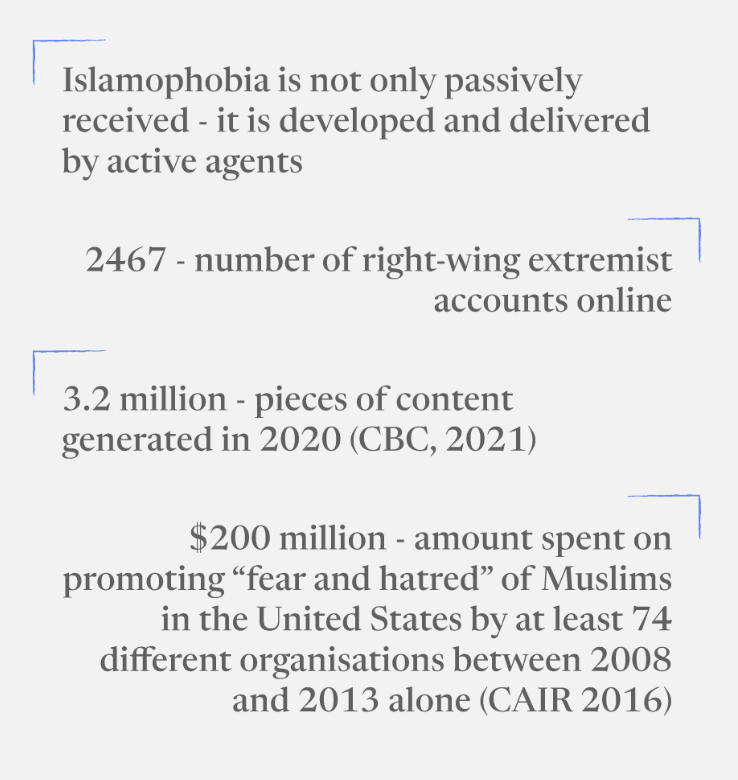
Media's Role in Shaping Perception

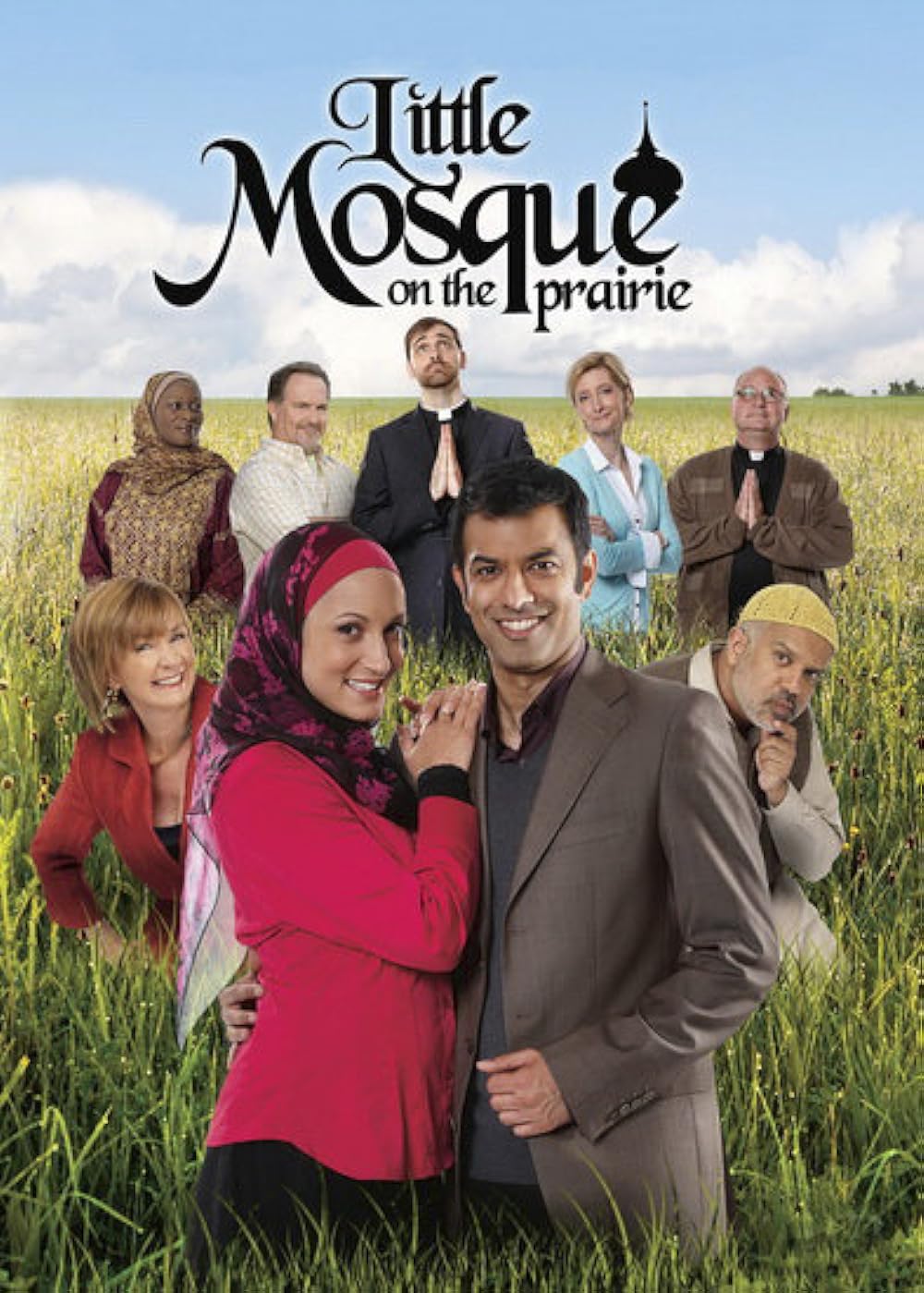
The media, with its profound impact on public perception, plays a pivotal role in either propagating or combating Islamophobia in Canada. Television, films, and digital platforms like social media all contribute to how Muslims are perceived by the broader Canadian society. While some productions like "Little Mosque on the Prairie" attempt to counter Islamophobic stereotypes by presenting Muslims in everyday, relatable contexts, many other media portrayals continue to perpetuate negative stereotypes.

These portrayals often emphasize extremist elements, disproportionately associating Islam and Muslims with violence and terrorism. This biased representation contributes to a skewed perception of Muslims among Canadians, fostering fear and misunderstanding. It is crucial to challenge and critique these portrayals through media literacy and public discourse to promote a more accurate and less prejudiced view of Islam and its followers in Canada.
Case Studies: Cinema and Television

See Reflection Paper 1.

Examining specific media pieces like "My Name is Khan" and "Little Mosque on the Prairie" offers insights into how cinema and television can be used as tools for social change. "My Name is Khan" breaks down stereotypes by humanizing its Muslim protagonist, who embarks on a journey across America to change perceptions about his faith post-9/11. Contrastingly, "Little Mosque on the Prairie" uses humor and everyday situations to challenge misconceptions and present Canadian Muslims in a non-threatening light.

These case studies are crucial for understanding the dual role media can play in influencing societal attitudes towards Muslims. They not only reflect existing societal views but also have the power to change them. Analyzing the reception and impact of such media offers valuable lessons on the effective use of entertainment to promote tolerance and understanding.